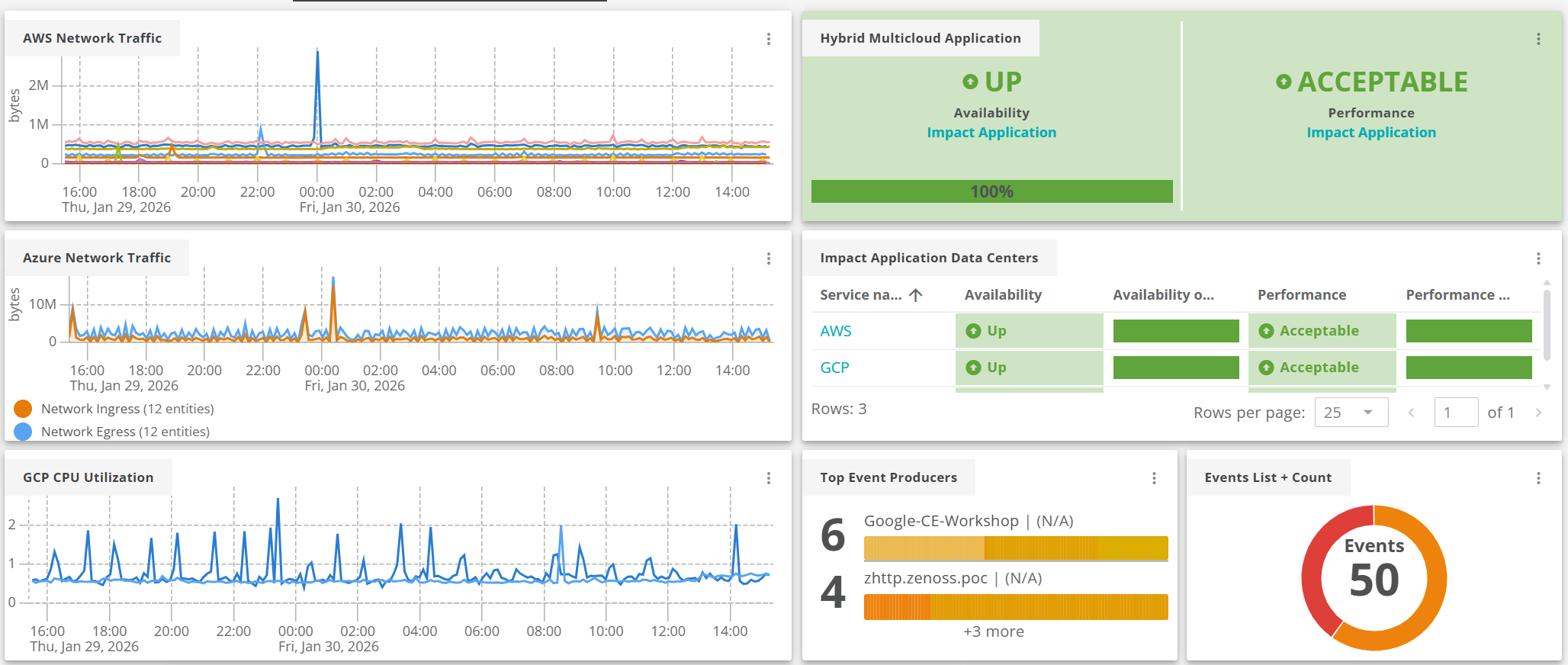

Virtana breaks the old definition of an application by observing the end-to-end system behind every service with deeper performance management, not just the code.
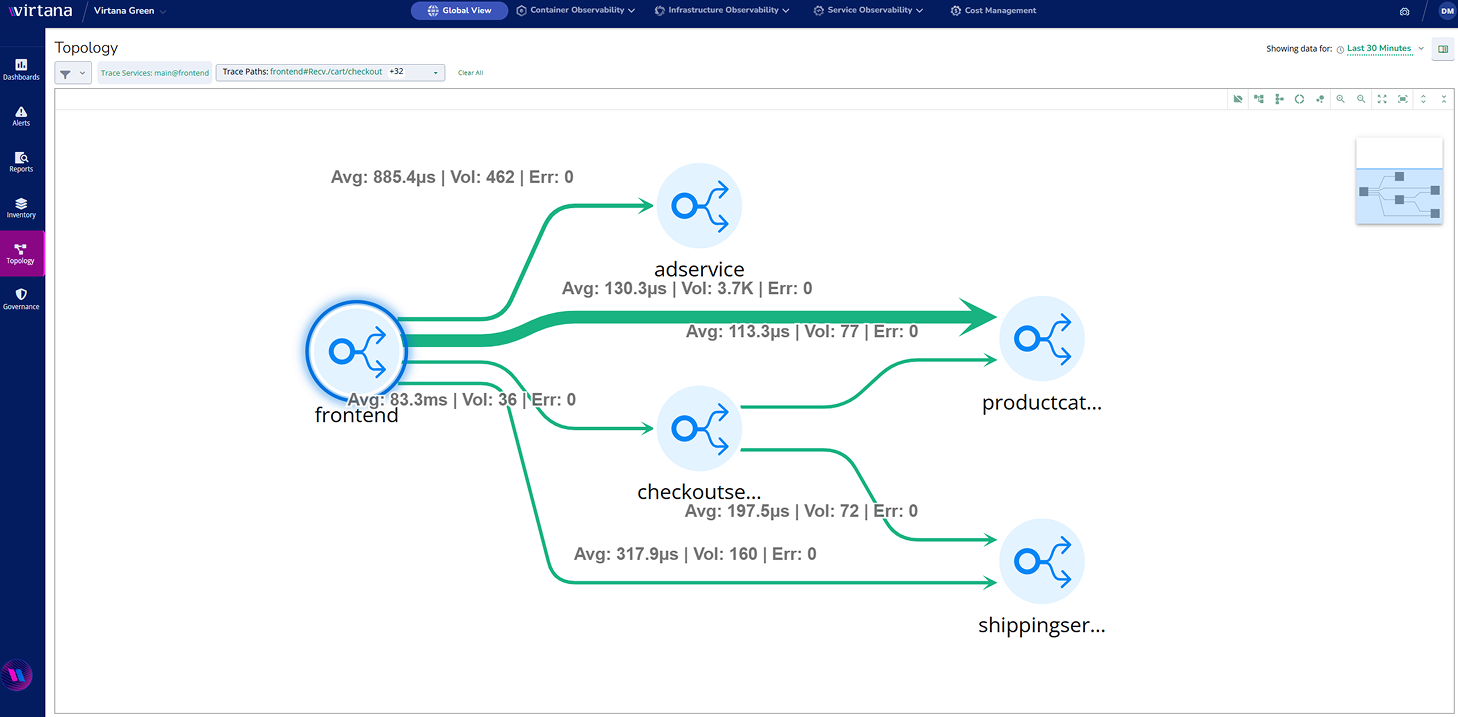
Distributed Tracing Tools
Transaction and Trace Observability
- Pinpoints exactly which transactions and services are slowing down, even across dozens of unique paths per service, so teams focus on what’s actually degrading, not false leads.
- Automatically triggers root cause analysis the moment a response time, error, or throughput anomaly appears, tracing the full path across services, containers, nodes, VMs, storage, and network.
- Arms teams with the evidence to act immediately and be proactive with performance management: logs, problematic code, events, metrics, resource consumption, and recent application changes.
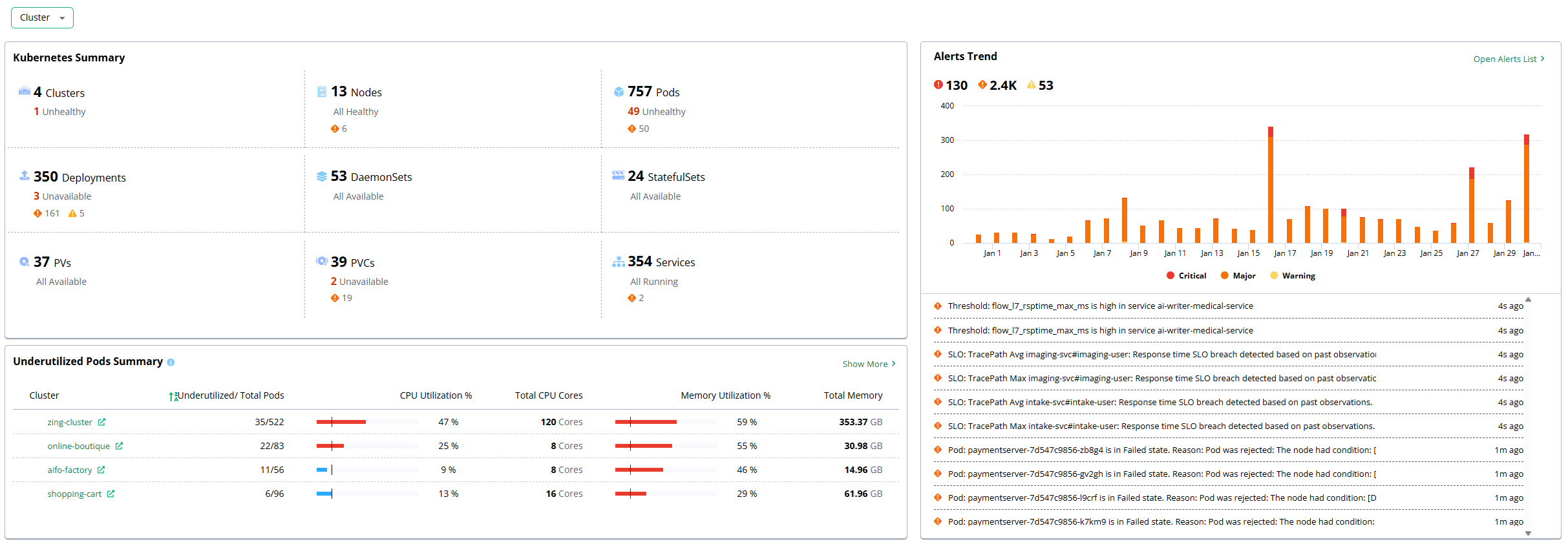
Container Monitoring Tools
Kubernetes Observability
- Map services to the Kubernetes resources and runtime dependencies that govern performance.
- Spot contention and instability that traces alone cannot explain, including noisy neighbors and throttling.
- Connect pod and node conditions to the transactions they disrupt.
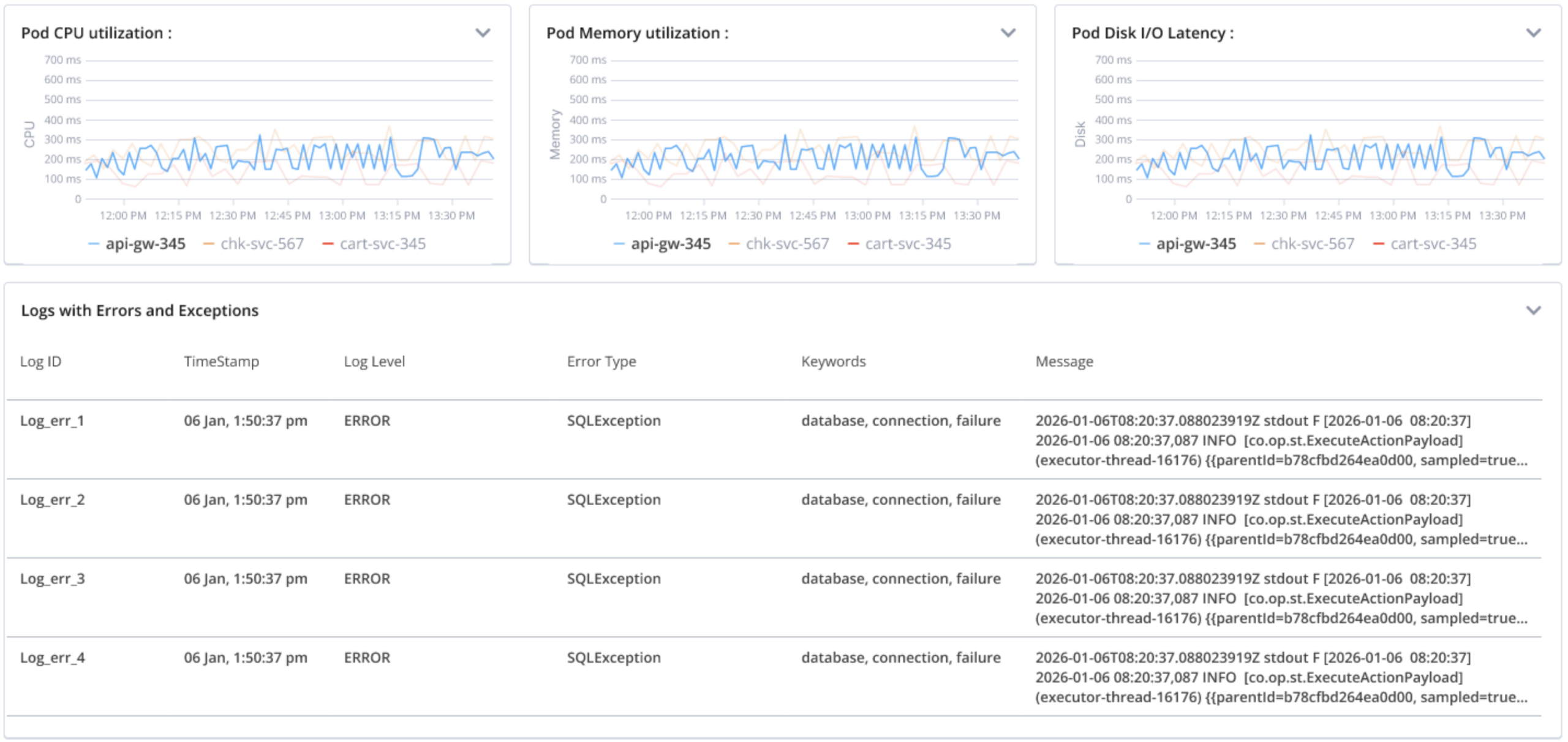
Log Analysis Software
Log Analysis and Correlation
- Correlate log events with traces, alerts, and dependency context to pinpoint the failure chain.
- Reduce false positives by clustering related issues into one coherent incident story.
- Accelerate resolution by identifying the most relevant log signals for the impacted transaction.
Synthetic Monitoring Tools
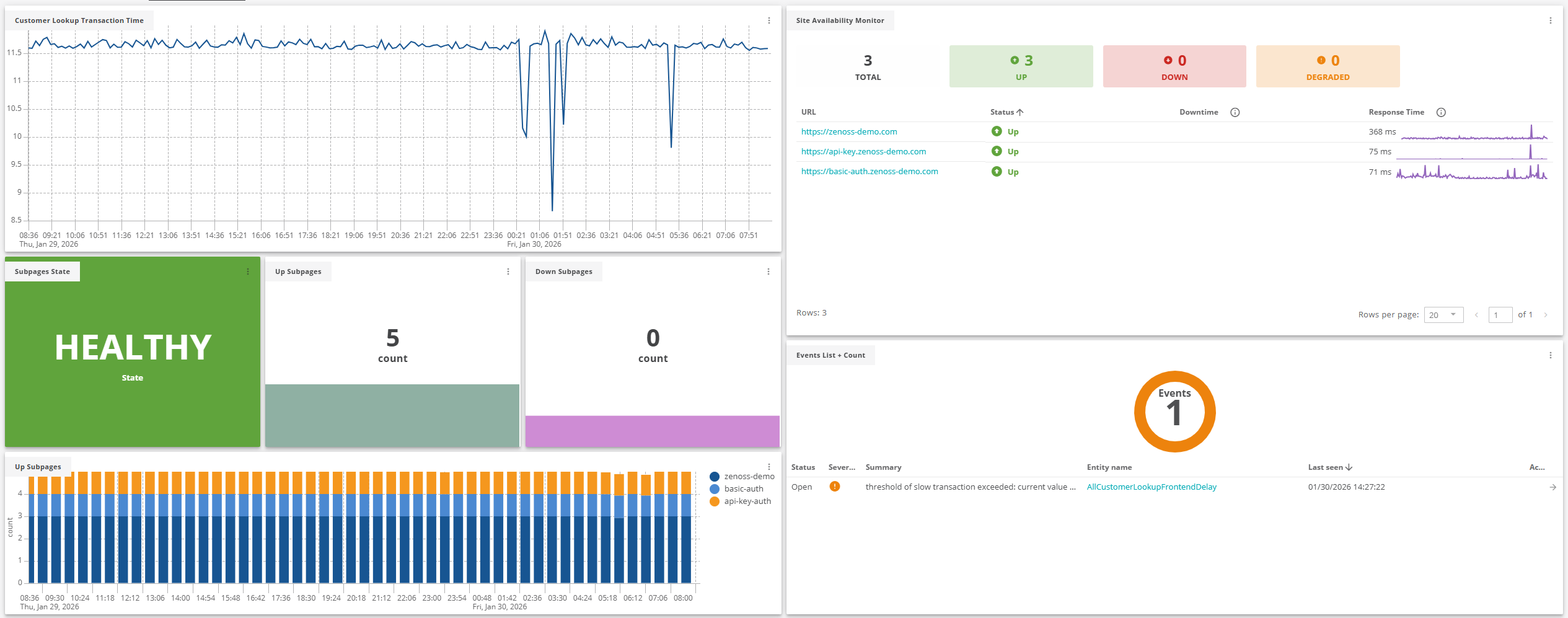
Synthetic and Availability Observability
- Continuously test user paths to detect degradation early.
- Separate true downtime from localized failures across DNS, network paths, and shared services.
- Track availability against business SLAs with clear evidence.
Hybrid Infrastructure Observability
System-Aware Observability
- Cloud: Follow dynamic services and dependencies across multi-cloud environments.
- On-premises: Deep visibility from bare metal through virtualization and platforms with full compute observability.
- Hybrid: Correlate signals across distributed infrastructure without visibility gaps.
- Air-gapped: Built for secure, disconnected environments, including federal and mission-critical deployments.